EWRS travel grants for bilateral cooperation 2025 - Report Micaela Malaspina
Posted on July 27th, 2026 on 15:37:09 by Aleksandra Savić
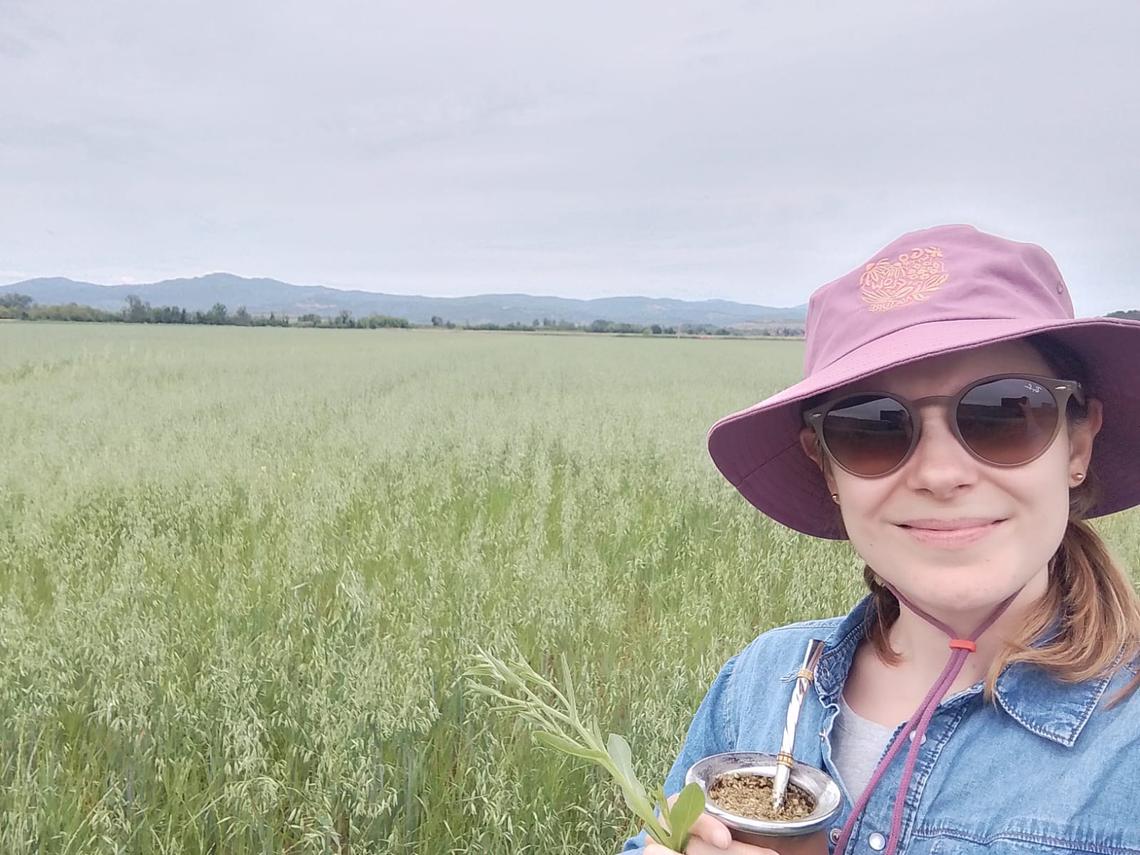
The PhD student Micaela Malaspina reports about her exchange experience financed by EWRS
Report on the outcomes of a Scientific Mission
EWRS travel grants for bilateral cooperation 2025
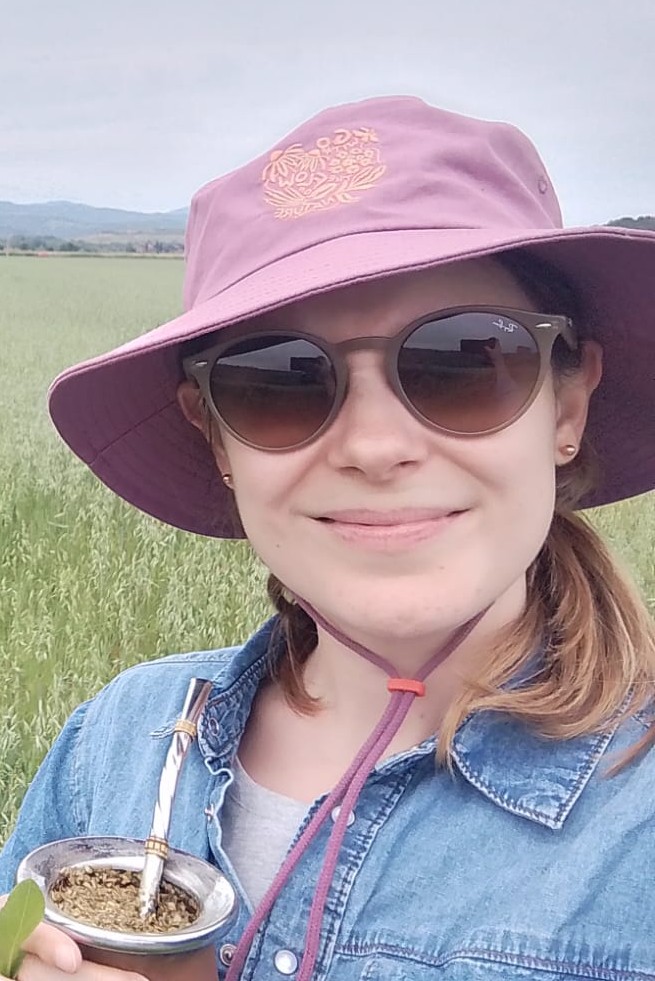
Grantee name: Micaela Malaspina
Home institution: University of Zaragoza- Aragon Agrifood Research and Technology Center (CITA), Spain - National Institute of Agriculture Technology (INTA), Argentina.
Mentor (home institution): Alicia Cirujeda.
Host institution: Scuola Superiore Sant’Anna (Pisa, Italy) and INRAE (Dijon, France).
Mentor (host institution): Anna Camilla Moonen and Guillaume Adeux.
Details of the EWRS travel grant
Title of project: Field margins as a strategy for managing functional agrobiodiversity in cereal agroecosystems in Aragon, Spain.
Start and end date: 20/04/2026 to 29/05/2026 (Pisa, Italy) and 08/06/2026 to 10/07/2026 (Dijon, France).
Introduce your project's general subject or topic
Agricultural intensification and the simplification of agroecosystems are major drivers of biodiversity loss, highlighting the need for more sustainable farming systems. Increasing landscape heterogeneity through the incorporation of field margins—strips of spontaneous or cultivated vegetation surrounding crop fields—has emerged as a strategy to enhance ecosystem services such as habitat connectivity, plant diversity, pollination, and biological pest control. However, these margins may also facilitate the spread of weed species into crops, emphasizing the importance of developing management practices that maximize their ecological benefits while minimizing potential drawbacks. Despite recent policy initiatives promoting field margins in Europe, research on their ecological role and optimal management remains limited in Mediterranean agricultural systems.
Clearly state your project's objectives
The general objective of the PhD project is to evaluate how different types of field margins (wider or narrower than 2 meters) affect the sustainability of cereal agroecosystems in Aragón by considering their agronomic implications, plant community composition and potential role as weed reservoirs, interactions with arthropods and viruses, and the perceptions of different stakeholders regarding their role in agricultural landscapes.
Description of the work carried out during the EWRS travel grant
- Progressed in the analysis and interpretation of field margin vegetation data collected in Spain during 2024 and 2025, enriching the process through collaboration with experts in weed biology and ecology. This work included the incorporation of advanced statistical approaches, such as the development of models better suited to ecological datasets and the analysis of spatio-temporal patterns using modern univariate and multivariate regression methods. In addition, I gained experience in methodological approaches based on functional traits to perform comparative analyses of the weed potential associated with different types of field margins. In addition, comparative analyses of the weed potential associated with different types of field margins were conducted using methodological approaches based on plant functional traits. To support these analyses, the information available in each dataset was carefully filtered, harmonized and adapted to the objectives of the study following discussions with and guidance from the host researchers. This process enabled the selection of the most relevant variables and traits for characterizing weed communities occurring in different field margin types and in the adjacent crop fields, generating robust and comparable information across the different study systems
- Participation in ongoing research projects conducted by the host institutions related to field margins and weed ecology was an important component of the research exchange. In Italy, activities included surveys of weed communities in an organic farm under extensive crop production systems (wheat, oat, lupin and chickpea), assessments of spontaneous vegetation used as cover crops in woody cropping systems, and the characterization of different field margin types within the farm. Additional collaboration involved weed surveys in comparative trials of different chickpea varieties intercropped with wheat. In France, collaboration focused on field sampling campaigns in wheat crops at harvest time and on the collection of weed biomass from different species to quantify yield losses associated with weed competition.
- Agronomic field visits were conducted with host researchers to explore different production systems and agroecological management practices across Italy and France. These activities included visits to an organic farm in Grosseto, Italy, the experimental farm of the University of Pisa, and the CA-SYS platform at INRAE in France, a large-scale experimental farming system incorporating wildflower strips and other biodiversity-enhancing infrastructures. In addition, participation in the Monte Pisano BioBlitz, organized by the Scuola Superiore Sant’Anna, provided the opportunity to observe a citizen science initiative carried out in an olive grove landscape of Monte Pisano, involving local communities, amateur naturalists and families in the documentation and identification of the biodiversity associated with this agroecosystem.
- Attended technical seminars and scientific discussions organized by the host institutions during the exchange period, focusing on weed management in arable cropping systems and on the role of agricultural extension in scientific dissemination and knowledge transfer to different stakeholders in rural environments.
Description of the main achievements
The main achievement of the research exchange was the substantial progress made in the analysis and interpretation of the vegetation data collected during the PhD research in Spain. The collaboration with host researchers allowed the refinement of analytical approaches, the selection of the most appropriate methodologies for ecological data analysis, and the generation of robust results characterizing plant communities associated with different types of field margins and their adjacent crop fields. Particular progress was achieved in the evaluation of the weediness potential of field margins through the integration of vegetation data and functional trait-based approaches, providing valuable information for understanding their ecological role within agricultural landscapes.
The results obtained during the stay represent a significant contribution to the objectives of the doctoral project and constitute a solid basis for the preparation of scientific manuscripts. The analytical work developed during the exchange has provided the main inputs for the preparation of two research articles to be submitted to international peer-reviewed journals, with Weed Research considered as a potential target journal. Furthermore, the knowledge gained during the stay contributed to a broader interpretation of the results by incorporating a comparative perspective from different European agricultural contexts and strengthened the scientific basis for future recommendations on sustainable field margin management.
Specify precisely your contribution through the research exchange and what knowledge and skills you acquired
The research stay represented a valuable opportunity for scientific knowledge transfer, in which the doctoral candidate contributed her previous experience in the study of plant communities, biodiversity and weed management within agricultural systems, developed through research activities carried out in Argentina and Spain. This background provided complementary perspectives to the ongoing activities of the host groups and facilitated the exchange of methodologies, approaches and scientific perspectives related to these research areas. The interaction with researchers from different institutions further strengthened collaborative links and enriched the comparative perspective of the doctoral research.
The research stay broadened the understanding of different European production systems and agroecological approaches to crop and weed management, while highlighting the importance of considering field margin characteristics, surrounding landscapes and local environmental conditions when assessing their contribution to functional biodiversity and their role in sustainable agricultural management. Working in contrasting agricultural contexts in Spain, Italy and France allowed the development of a more integrated perspective on how production systems, landscape characteristics and management practices influence biodiversity conservation and weed dynamics. The knowledge acquired during the stay provided valuable insights for the adaptation of innovative approaches within the research framework and for their future application in agroecosystems in Argentina upon the student's return. In addition, the stay contributed significantly to the professional development of the doctoral candidate by expanding her international scientific network and fostering collaborations with researchers from different institutions working in agroecology, weed science and biodiversity conservation.
During the stay, new techniques and methodological approaches for field studies on weeds and vegetation communities in agroecosystems were explored and applied. These activities included different vegetation sampling strategies, species identification and classification methodologies, as well as approaches for evaluating the weediness potential of field margins and their interactions with adjacent crop fields.
The exchange also contributed to improving the analysis and interpretation of the PhD research results through collaboration with specialists in vegetation ecology, weed biology and biodiversity data analysis. During this period, new data analysis techniques, statistical approaches and methods for ecological data interpretation were learned and incorporated, strengthening the analysis of the available datasets and generating robust information for the development of scientific publications derived from the doctoral thesis.
Pictures from field and seed bank in Dijon by Micaela Malaspina
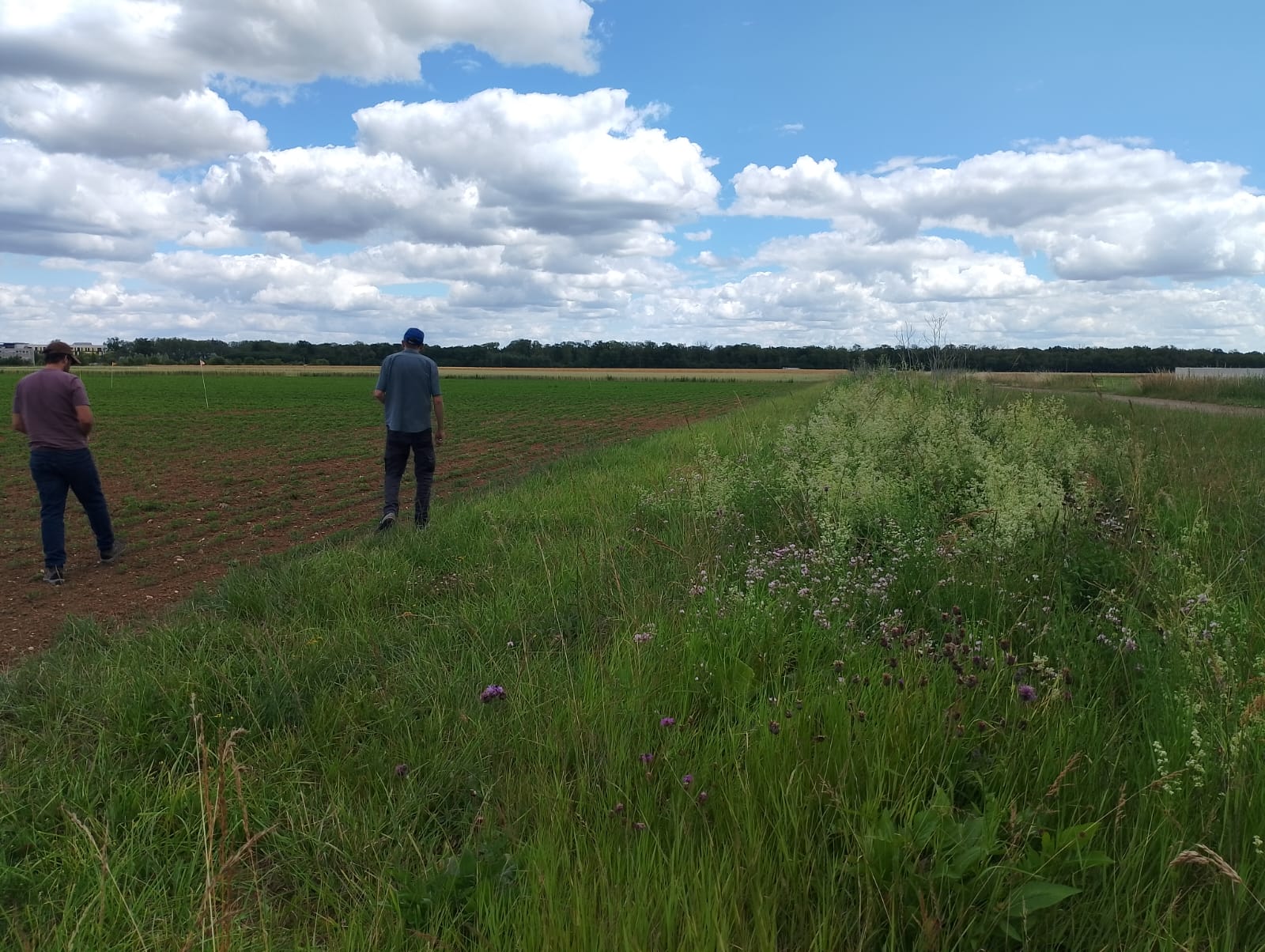
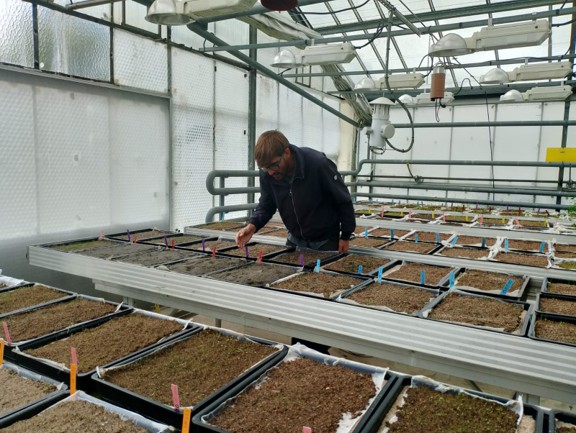
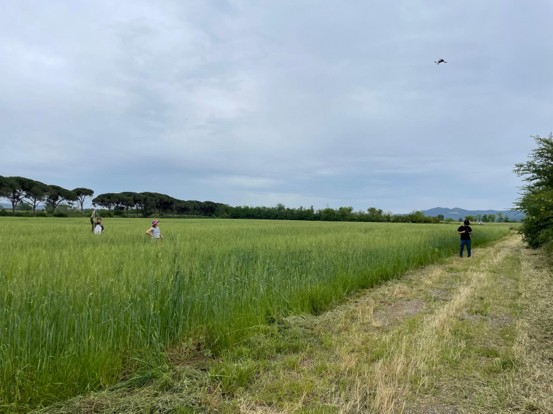
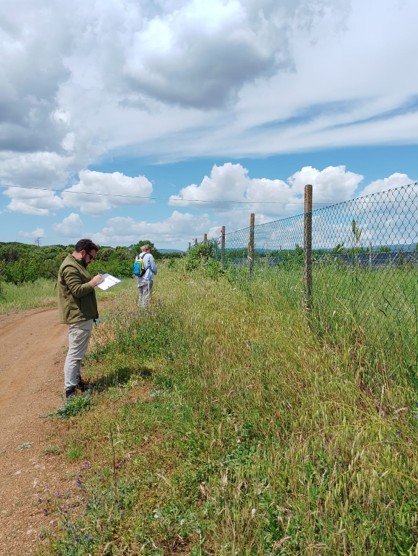
Pictures from field work in Grosseto, Italy.
Picture 3: Sampling weeds in wheat by Camilla Moonen.
Picture 4: Sampling of field margins by Micaela Malaspina.
306 x viewed | 3 Likes -
Message to the author

Filter by theme
Filter by Working Group
How can I submit a post?
We would like to welcome you as a contributing author for the EWRS blog. Please contact the Communication Officer, Camilla Moonen. She can give you writing access to the blog. After that, you can start writing articles for the blog, from the 'My Account page'. More information can be found on the "How to use the Blog page".